
Casino App vs Mobile Browser: What Actually Differs

Contents
- What the two actually are, in plain terms
- Installation, storage and what stays on your phone
- Speed, data use and battery drain
- Login, payments and account control
- Games, features and what the wrapper cannot change
- When to install the app, and when to stay in the browser
- The criteria I would actually use
- Casino App vs Mobile Browser FAQ
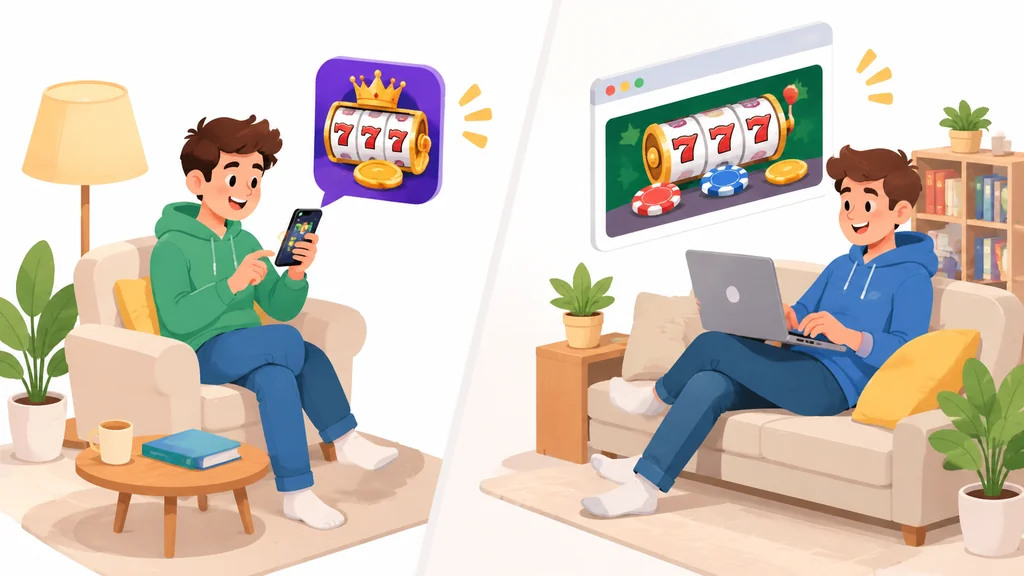
Installation, control and reach distinguish a casino app from a mobile browser. A native app is a download you keep, usually built by a studio for Android or iOS, and it can hold a session open, push notifications and remember your login. A mobile browser casino is a page you reach by typing an address, with no app installation needed, though the browser may store cache, cookies and other site data. For most casual players the browser wins on convenience, and the app wins on repeat play, whether you open it on an iPhone or an Android handset.
What the two actually are, in plain terms
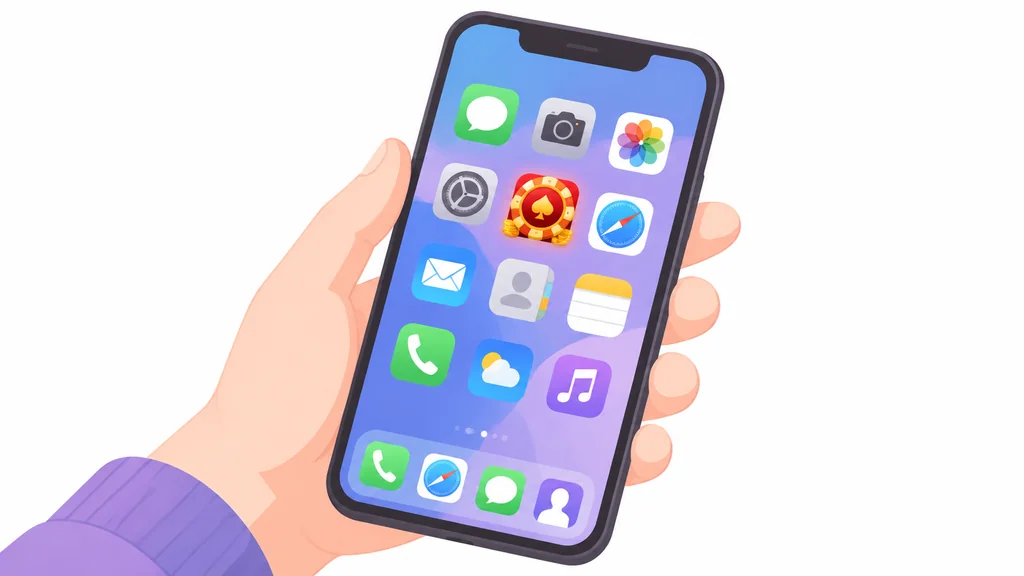
A native app is a package installed on the handset. In either case, the app’s code runs on the device.
The operator detects the screen width and serves a layout built for a thumb. Nothing is installed, and the session ends when you close the tab.
An app keeps some interface files on the phone so screens draw faster after the first load. A browser pulls everything over the network each time, which is why a weak signal hurts the browser version first.
That is also why the two can feel like different products even when they are not. Many operators run one back end and two front ends. Only the wrapper changes.
A structured checklist compares platforms on criteria beyond the wrapper.
Installation, storage and what stays on your phone
This is the clearest split between the two, and it is the one people notice first.
- The app needs one download, then leaves a permanent icon. It occupies storage, and that figure grows with cached graphics and game files. Check the spec sheet for the current size, because it changes with every build.
- The browser needs no download, leaves no icon and creates no storage line in your settings. Bookmarks and saved passwords are the only footprint, and you can clear them.
On a phone with plenty of free space, the app’s footprint is irrelevant. On a budget Android handset that is already warning about storage, it is the deciding factor.
There is a second, quieter cost. An app is a commitment. You install it, you keep it, and it sits there asking to be opened. A browser casino is a decision you make each time you type the address. Players who want friction between themselves and a session tend to prefer the second arrangement.
Updates work the same way. An app needs a new build pushed and installed, sometimes manually if it came from outside an app store. A browser casino updates on the server side, and you get the new version the next time you load the page. Nobody has to approve anything.
Speed, data use and battery drain
The gap is smaller than the marketing suggests, and it depends on your connection more than on the wrapper.
An app wins on repeat visits. Interface files are already on the device, so menus and lobbies appear without a round trip. A browser wins on first visit, because there is nothing to download before you can look around. That first-load gap is most visible on slots with heavy intro animations.
Data use follows the same pattern. A browser session pulls the page, the images and the game client every time you start fresh. An app pulls the heavy parts once and then mostly exchanges game data. If you are on a metered plan, that difference shows up over a month of daily play.
Battery is where the app usually loses. A native app can run background processes, hold a socket open and wake the screen for a notification. A browser tab that is closed draws nothing. Players who leave an app installed and logged in will see it in their battery graph.
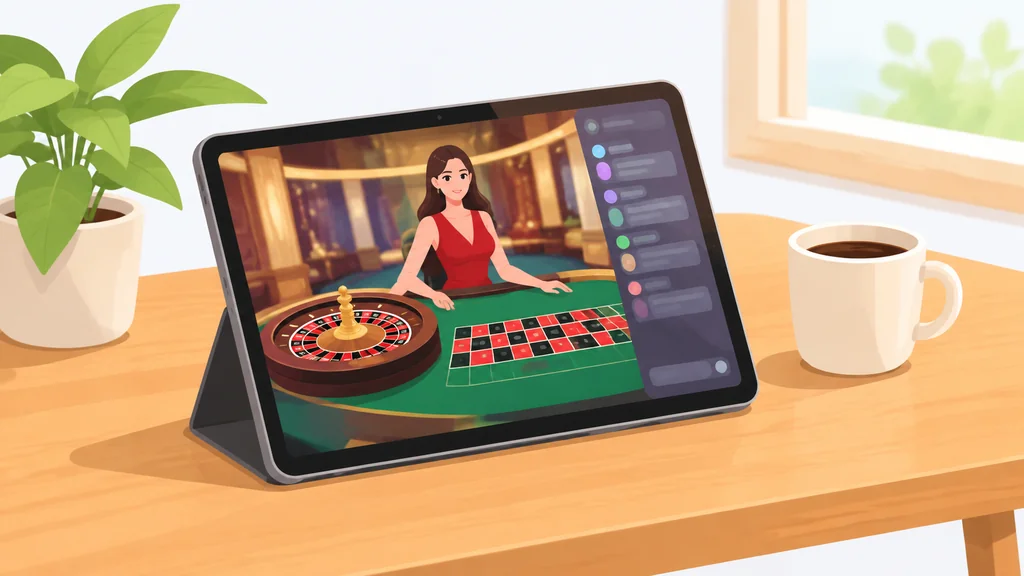
Live dealer tables are the great equaliser. Video is video. A live Roulette stream will chew through data and battery in either wrapper, and the limiting factor is the stream quality the operator serves, not the container. If live tables are your main interest, read up on why live dealer bonuses barely count toward wagering before you pick a platform for that reason alone.
Login, payments and account control
Account access can vary by operator. What changes is how often you have to prove who you are.
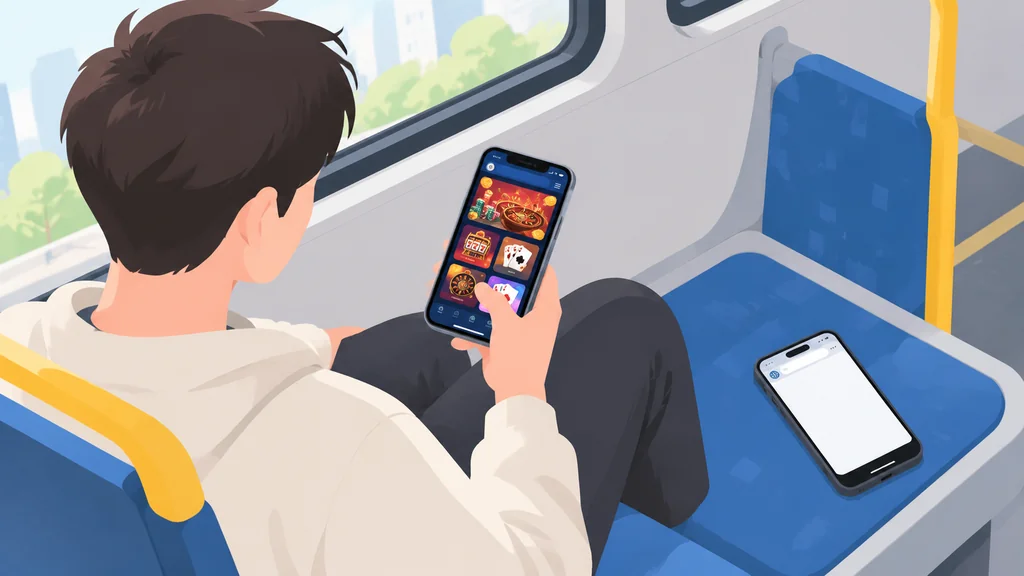
An app can keep you signed in with a PIN, a fingerprint or a face scan. That is convenient and it is also the reason some players avoid it. A browser asks for the password more often, unless you let the browser save it, which is its own trade-off.
Some payment methods open a separate app or a bank page, and that hand-off can feel smoother from a browser than from inside a native casino app.
Verification requirements and processes can vary by operator and jurisdiction. A browser makes it easier because you can switch to your camera roll or a file manager without leaving the page. Some apps handle this well and some do not.
If you are choosing between a sticky and a non-sticky bonus, that decision often matters more than whether you play in an app or a tab.
One more control point. A browser lets you keep the casino in a private window with no saved session. An app does not offer that. For anyone who wants a hard stop at the end of a session, the browser is the more honest tool.
Games, features and what the wrapper cannot change
The game library comes from the same suppliers in both cases, and the wrapper does not add titles. What it can change is how many of them you can actually load. The same applies to table games such as Blackjack and Baccarat, if they are part of the operator’s catalogue.
Some operators keep a smaller catalogue in the app, usually because a supplier’s build has not been packaged for the native version. The browser version tends to carry the full set, including the newest releases, because there is nothing to repackage.
Features that need device permissions lean toward the app. Push notifications for a bonus or a tournament reminder are the obvious one. A browser can send notifications too, but only if you grant permission and keep the tab alive, which most people do not.
Features that need a wide screen lean toward the browser. A live dealer table with a chat panel and a bet grid is cramped on a phone either way, but a browser tab on a tablet gives you more room and a pinch-to-zoom that behaves predictably.
Then there is the question of what you are actually playing. A slot is a random number generator on a server. The wrapper draws the reels. If the app crashes mid-spin, the server still knows the outcome. That is worth remembering when an app feels more “solid” than a page.
The wrapper is one criterion among several in this mobile casino checklist.
When to install the app, and when to stay in the browser
Player habits determine whether an app or browser fits.
Install the app if you play most days on the same phone, you want a saved login, and you value notifications about bonuses you would otherwise miss. You have storage to spare. The app is the lower-friction option for a habit.
Stay in the browser if you play occasionally, you switch between devices, you travel across state or national borders, or you want the session to end when you close the tab. You give up a little speed on repeat visits and you gain nothing to uninstall.
Either works if you mostly play live dealer tables or you only care about the game library. In those two cases the wrapper is close to irrelevant, and you should pick on licence, cashier options and bonus terms instead.
One caveat that applies to both. Never install an app from a link in a message or from a page you reached through an ad. Go to the operator’s own site and follow the download path from there, or use the store listing.
If you are weighing two operators and one has only a browser version while the other has both, that is not a reason to pick either. It reflects how much they invest in development.
The criteria I would actually use
Before you decide, name the criterion. Then the answer usually picks itself.
- Decide how often you play. Daily play favours an app. Occasional play favours a browser. This suits players with established routines versus those who play sporadically.
- Check your free storage. This suits users on budget devices or those with limited capacity.
- Check your data plan. Metered plans favour the app after the first install. This suits players concerned about monthly data caps.
- Check where you play. Frequent travel across regions favours the browser. This suits players who move between jurisdictions often.
- Check the cashier. If your payment method opens another app, the browser hands off more cleanly. This suits players using external banking apps or wallets.
- Check the game list. If your favourite title is missing from the app build, that settles it. This suits players dedicated to specific titles or new releases.
- Check the licence and the bonus terms. These outrank the wrapper every time. This suits all players prioritising safety and value over convenience.
Casino App vs Mobile Browser FAQ
Is a casino app safer than a browser casino?
Both an app and a browser connect to the same server. The real risk is the download source, so install only from the operator’s own site or an official store listing.
Can I play the same account in both an app and a browser?
Account access can vary by operator. Many operators run one back end and two front ends.
Does the browser version have fewer games?
It usually has more, not fewer. Operators tend to carry the full catalogue in the browser build because new supplier releases appear there without repackaging. Some app builds lag behind or leave out titles that have not been ported. Check the game list in both before you commit.
Why is there no app for my casino on the App Store?
Check the operator’s own help pages for the current position in your country.
Does the app use more battery than the browser?
A native app usually draws more, because it can hold a connection open and wake the screen for notifications. A browser tab that you close draws nothing at all. Live dealer video is the exception, since streaming drains battery heavily in either wrapper.
Thank you for reading!
Login
Register