Best Safe Online Casinos


Contents
- How To Play In An Online Casino And Feel Safe
- Step One: Make The Right Choice From Safe Online Casinos
- Step Two: Register At Secure Online Casinos
- Step Three: Financial Transactions In Top Safe Online Casinos
- Step Four: Play And Check In The Best Online Casino
- Top 5 Online Casino Games
- Safe Online Casinos With Real Money
- Advantages Of Secure Online Casinos
- Tips From Experienced Players: How To Choose A Safe Online Casino
- Red Flags Of An Unsafe Online Casino
- FAQ
A safe online casino is one you can verify in minutes yourself. That means a real regulator license you can look up yourself, independent RNG and fairness certification, encrypted payment processing, and visible responsible-gambling tools. This page is that checklist, showing you how to check any casino yourself instead of ranking “best” brands.
How To Play In An Online Casino And Feel Safe
Safe, in practical terms, breaks into four checks. A government or regulatory body has approved the operator, and you can confirm that yourself directly on the regulator’s own site. An independent lab, one with no financial tie to the casino, has verified its random number generator and game math. Payment and personal data travel over SSL/TLS, the same class of protection banks use. Deposit limits, self-exclusion, and reality checks are visible and easy to find in the account settings.
None of these four checks takes more than a few minutes each. Skip all four and you’re trusting a website’s word for it. Run all four and you’ve done more diligence than most players ever bother with.
Step One: Make The Right Choice From Safe Online Casinos
Before you register anywhere, work through six things. Each one filters out a whole category of risk.
Check the license, and who issued it
Licenses aren’t interchangeable. The UK Gambling Commission (UKGC) and the Malta Gaming Authority (MGA) are widely treated as the strictest tier, with the most active enforcement and the clearest player-dispute processes. A license from either one is a strong signal on its own.
Curaçao is a different story than it used to be. For years the old system let four master licensees sublicense thousands of operators with minimal oversight, which is where “Curaçao license” earned its reputation as a red flag. That system is gone. Under the LOK ordinance, every operator now applies directly to the Curaçao Gaming Authority (the reconstituted Gaming Control Board), which vets and supervises each licensee individually. From January 2026, licensees also need a genuine physical presence in Curaçao, meaning a registered office, a local managing director or entity, and local staff. A virtual mailbox doesn’t qualify anymore.
That’s a materially stricter regime than the old one. It’s still generally a lower tier than UKGC or MGA when it comes to player dispute recourse, so treat it as an improved tier, still a step below the top one.
If you’re in the US, a small number of states regulate real-money online casino play directly, each with its own state regulator and its own license lookup tool. Most states don’t offer regulated real-money online casino games at all, only sports betting or nothing. Check your state regulator’s own licensee list to confirm.
I’ve spent under two minutes on a regulator’s own license-lookup page more than once and either found the operator listed by name and number, or didn’t. That single check tells you more than a page of “licensed and regulated” copy on the casino’s own site.

Independent testing, not just the casino’s word
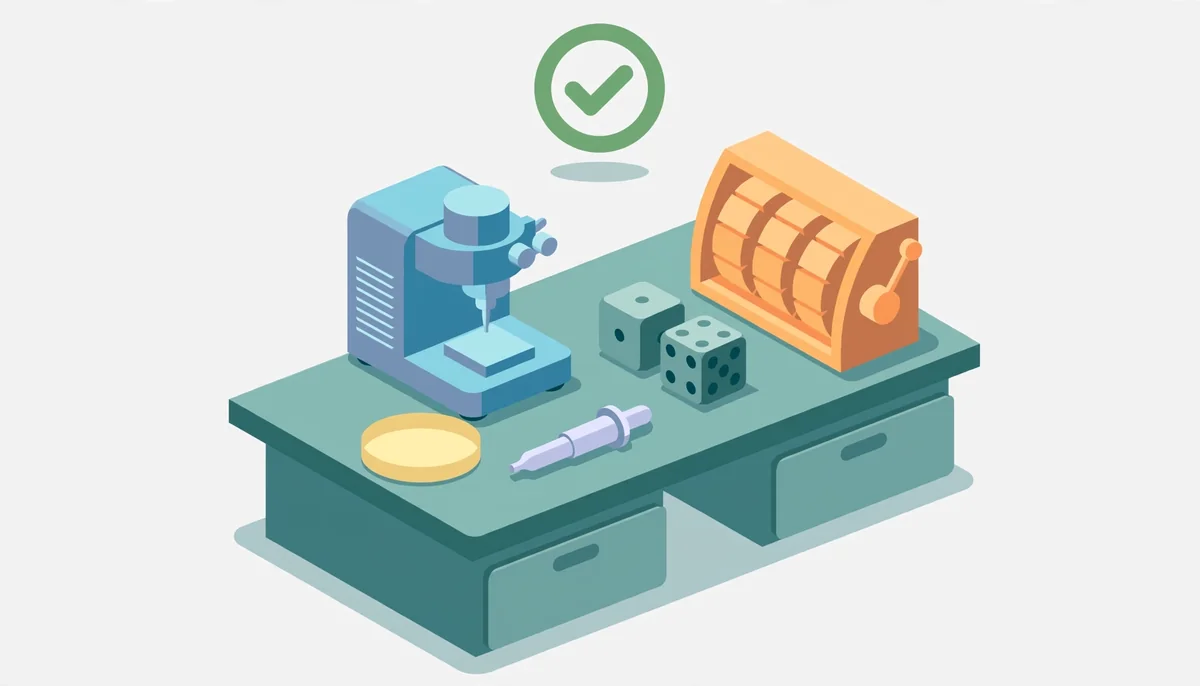
A casino claiming fair games is the casino grading its own homework. Independent labs exist specifically to check that. eCOGRA tests RNGs and game fairness through mathematical analysis, compliance checks, and simulation testing, and checks for resistance to manipulation. iTech Labs holds full ISO/IEC 17025 accreditation and runs recurring, ongoing audits on RNG, RTP, and individual games at certified casinos. Gaming Laboratories International (GLI) is used by regulators and operators globally for testing and certification of gaming software and equipment, RNGs included.
Look for one of these three names, with a certificate you can click through and verify.
What other players say
Independent complaint boards and player forums offer a sentiment signal — useful context, though on their own they don’t prove much. One angry post about a delayed withdrawal happens at legitimate operators too, players get impatient, verification takes longer than expected, a bonus term gets misread. A pattern across many complaints, all describing the same unresolved issue, is different information than a single bad review.
Payment options tell you something
Traceable payment methods, cards, bank transfer, mainstream e-wallets, mean the casino is operating inside a system with its own compliance checks, chargebacks, and paper trails. A casino that only accepts crypto or gift cards isn’t automatically a scam, but it’s removed every one of those checks, and that’s worth noticing before you deposit.
Bonus terms should be checkable, not vague
A welcome bonus with a visible, specific wagering requirement (say, 35x the bonus amount before withdrawal) is checkable. A bonus advertised in huge type with the terms in a tiny link at the bottom, or no wagering figure stated anywhere, isn’t. If you can’t find the number, that’s the answer.
Customer support you can actually reach
Support functions as a safety signal here. Try the live chat or email before you deposit a cent. A real answer to a direct question (“what’s your typical withdrawal processing time?”) within a reasonable window tells you something. A canned response that dodges the question tells you something else. I’ve seen support chats sidestep a direct payout-timeline question with vague reassurance instead of a straight answer — that pattern of dodging is the real tell.
Step Two: Register At Secure Online Casinos
Registration itself is usually simple, a form, an email confirmation, sometimes a phone verification. The part worth slowing down for is what happens later, once KYC kicks in.
Know Your Customer (KYC) checks, ID document upload, proof of address, sometimes a selfie match, are standard at licensed casinos and typically get triggered at your first withdrawal, later in the process than most players expect. That can feel like friction if you’ve never hit it before. It’s actually the opposite of a red flag, since a casino that never asks for ID before paying out real money is skipping a check regulators require.
Enter your personal details accurately the first time. A mismatch between your registration name and your ID document is one of the more common reasons a first withdrawal gets delayed, and it’s entirely avoidable.
Step Three: Financial Transactions In Top Safe Online Casinos
For a US or English-speaking audience, the safest deposit and withdrawal options are the ones with existing fraud protection already built in, namely major credit and debit cards, direct bank transfer, and mainstream e-wallets. These come with their own dispute processes if something goes wrong, on top of whatever the casino itself offers.
Whatever method you use, check that the page you’re entering payment details on runs SSL/TLS encryption, the same class of technology banks use to protect data moving between your device and their servers. A padlock icon and an “https” address is the quick visual check; it takes one glance before you type a card number anywhere.
| Payment type | Traceable? | Typical fraud protection |
|---|---|---|
| Credit/debit card | Yes | Chargeback rights via card network |
| Bank transfer | Yes | Bank-level dispute process |
| Mainstream e-wallet | Yes | Wallet provider’s own protections |
| Crypto only | No | None beyond the blockchain itself |
| Gift card only | No | Essentially none |
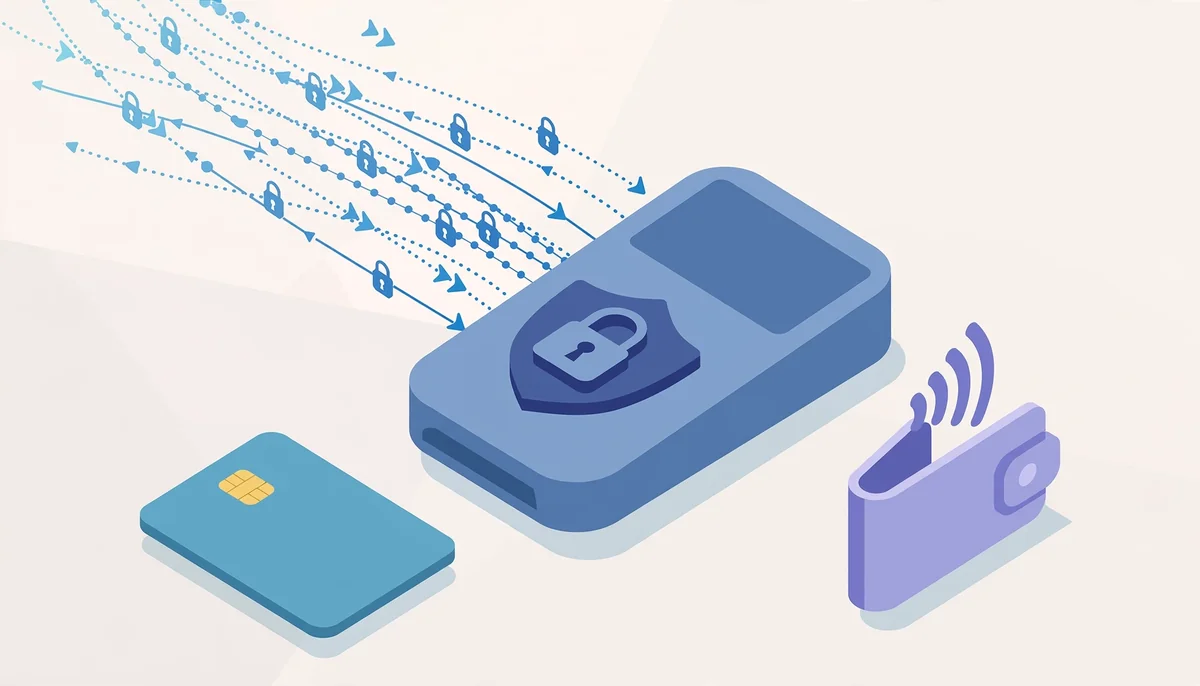
The takeaway is simple. The more traceable the method, the more recourse you have if a withdrawal gets stuck, and that recourse doesn’t cost you anything until you need it.
Step Four: Play And Check In The Best Online Casino
Before you deposit real money anywhere, verify the payout timeline and terms first. Look up the casino’s stated withdrawal processing time on its own terms page, then check whether player reviews describe that timeline actually holding up in practice. A casino that advertises “24-48 hour withdrawals” but has a consistent thread of complaints describing week-long delays has a gap between its marketing and its behavior worth knowing about before you deposit.
Read the withdrawal limits too. Some casinos cap withdrawals at a low daily or weekly figure regardless of your balance, which matters if you win a meaningful amount and want it out promptly. That figure should be stated plainly in the terms, ahead of your first cash-out request.
Top 5 Online Casino Games
Licensed casinos generally offer the same core categories. Slots make up the largest catalog by volume, from three-reel classics to elaborate video slots. Roulette covers European single-zero and American double-zero variants. Blackjack comes in multiple rule variants and side-bet options. Other table games round things out, baccarat, craps, casino poker variants. Video poker runs on multiple pay tables, and the table you pick changes the underlying odds. What matters for safety purposes is whether the games running are the ones independently tested under the certifications covered above.
Safe Online Casinos With Real Money
Once real money is on the table, two things matter most. Are the terms stated in plain language you can actually read before you agree to them? Is the path to withdrawing a win straightforward, with no extra steps buried in fine print that only appear after you’ve already deposited? Clear terms and an easy, visible withdrawal process are the practical difference between a casino you can trust with a deposit and one you’re taking on faith. It’s the same checklist we run for every casino we rate, applied to the one in front of you.
Advantages Of Secure Online Casinos
A properly licensed and tested casino gives you a handful of concrete advantages over an unverified one.
Free demo version
Most licensed slots and table games offer a free-play or demo mode, letting you test a game’s feel and volatility before wagering real money on it. If a casino has nothing but real-money play available, that’s worth noticing.
Built-in play controls
Licensed operators are generally required to offer session limits, deposit caps, and similar controls as a standard part of the account. These tools exist to keep play inside boundaries you set for yourself, before a session runs longer or costs more than you intended.
Game history & stats
A transparent account dashboard showing your deposit, wager, and withdrawal history is a basic fairness and accountability feature, it means you can check your own activity against what the casino reports, instead of relying on memory or a single end-of-month statement.
Tips From Experienced Players: How To Choose A Safe Online Casino
Experienced players lean on the same handful of tools every time, regardless of any gut feeling about a website’s design.
- Deposit limits. Set a daily, weekly, or monthly cap before you start playing. Most licensed casinos let you set this from your account settings in under a minute.
- Self-exclusion. A temporary or permanent lockout option should exist and should actually work the moment it’s triggered, with no support ticket or week-long wait involved.
- Reality checks. Periodic pop-up reminders showing session length and net spend keep play visible to you right as it happens, not buried in a monthly statement you may never open.
- Loss limits and time-outs. Separate from deposit limits, these cap how much you can lose or how long you can play in a single session or cooling-off period.
If play stops feeling like entertainment, the US National Problem Gambling Helpline is reachable at 1-800-522-4700, with text and chat support also available through the National Council on Problem Gambling network. GamCare in the UK and Gamblers Anonymous, a peer-support network active in the US and internationally, are two more places to start. Our own responsible gambling resources page has more on setting limits before you need them.
Red Flags Of An Unsafe Online Casino
A handful of patterns show up consistently at operators worth avoiding, and none of them require insider knowledge to spot.
- No visible license, or a license number that doesn’t turn up on the regulator’s own lookup page when you check it directly.
- No independent RNG or fairness certification badge from a recognized lab, or a badge that doesn’t link to a verifiable certificate.
- Payment methods limited to untraceable options only, crypto or gift cards, with no card, bank, or e-wallet alternative offered.
- Bonus terms that are unrealistic on their face, such as a huge match percentage with no wagering requirement disclosed anywhere, or terms that only surface after you’ve already deposited.
- Customer support that’s slow, evasive, or unreachable when you test it with a direct question before depositing.
- A recurring pattern of unresolved player reports on independent forums describing delayed or refused withdrawals.
- Terms and conditions that are vague, hard to find, or change without notice between your reading them and your later disputing something against them.
No single flag here proves a casino is unsafe on its own, plenty of legitimate operators have one slow support response or one unhappy reviewer somewhere. It’s the pattern across several of these that matters, and it’s also true that no license tier, not even the strictest, guarantees a flawless experience every time. Checking independent complaint patterns stays worthwhile even at a well-licensed casino.
FAQ
How do I check if an online casino’s license is real? Go to the regulator’s own website directly, and search its public licensee database by the operator’s name or license number. UKGC, MGA, and most US state regulators all publish searchable lists. If the casino’s stated license number doesn’t show up there, or shows up for a different entity, that’s a direct answer.
What does it mean if a casino is “RNG certified”? It means an independent testing lab, such as eCOGRA, iTech Labs, or GLI, has verified that the casino’s random number generator produces genuinely random, unmanipulated outcomes and that its games’ return-to-player figures match what’s advertised. Look for a certificate you can click through and verify yourself.
Is a Curaçao license safe? It’s safer than it used to be. The old system let a handful of master licensees sublicense thousands of operators with almost no direct oversight, which is where Curaçao’s poor reputation came from. That’s been replaced. Operators now apply directly to the Curaçao Gaming Authority, which vets and supervises each one, and from January 2026 licensees must maintain a genuine physical presence in Curaçao. It’s a meaningfully stricter regime now, though still generally a step below UKGC or MGA for player dispute recourse.
What payment methods are safest at an online casino? Traceable methods with their own built-in fraud protection, namely major credit and debit cards, direct bank transfer, and mainstream e-wallets. Each comes with a dispute or chargeback process independent of the casino itself. Methods limited to crypto or gift cards only remove that layer of protection entirely, which doesn’t automatically mean a scam, but does mean you’re relying solely on the casino’s own goodwill if something goes wrong.
What should I do if a casino won’t pay out? First, check whether the delay matches something in the casino’s own stated terms, KYC verification, a withdrawal review threshold, a processing window that hasn’t elapsed yet. If it’s genuinely stuck past those terms, contact support directly with a specific question and timeline, keep a written record of the exchange, and if that goes nowhere, escalate to the licensing regulator’s complaint process; UKGC and MGA both have formal player-dispute channels for exactly this situation.
Where can I get help for problem gambling? The US National Problem Gambling Helpline is reachable at 1-800-522-4700, with confidential text and chat support also available through the National Council on Problem Gambling network. GamCare offers similar support in the UK, and Gamblers Anonymous runs peer-support meetings in the US and internationally. None of these require you to have hit a crisis point first, they’re available for anyone who wants to check in on their own play.
Thank you for reading!
Login
Register